
01 · Situation
Continuity and quality
Cold-chain continuity and batch traceability
- Batch journey bounded across site, chamber, and route
- Thermal or quality checkpoints made visible
- Missing validation data kept explicit

How the decision takes shape
You do not need everything solved to start the conversation.
- 01
Detect
Locate the batch and route where the signal appears.
- 02
Understand
Understand which event needs context.
- 03
Compare
Compare the checkpoints available.
- 04
Prioritize
Decide what to confirm next.
Connected capabilities
What we can integrate and automate
Relate temperature, batches, custody, and routes to understand where a reading or event needs attention.
We can integrate
- Temperature telemetryReadings by batch, chamber, site, or route.
- Batch and custodyIdentifiers and owners along the journey.
- Routes and checkpointsSegments that make the journey comparable.
- Quality recordsControls related to the observed event.
We can automate
- Out-of-range alertsNotifications when a reading needs attention.
- Route comparisonsRelationships across points, periods, and conditions.
- Exception follow-upOwners and next steps kept visible.
Automation helps organize alerts and routes; quality interpretation and product actions retain human review.
02 · Why it matters
Why it matters
A thermal excursion is rarely understood from one data point. Between storage, transfer, transport, and receipt, context can be split across loggers, spreadsheets, platforms, and owners; without a shared reading, quality and operations take longer to decide what to validate.
- Which batch and route need an initial boundary?
- Which record connects the site, chamber, and route to the observed event?
- Which control point still needs review before prioritization?
03 · Decision path
Decision path
Connect the batch history —origin site, chamber custody, journey, and event— to separate what was observed, what can be compared, and what still needs evidence.
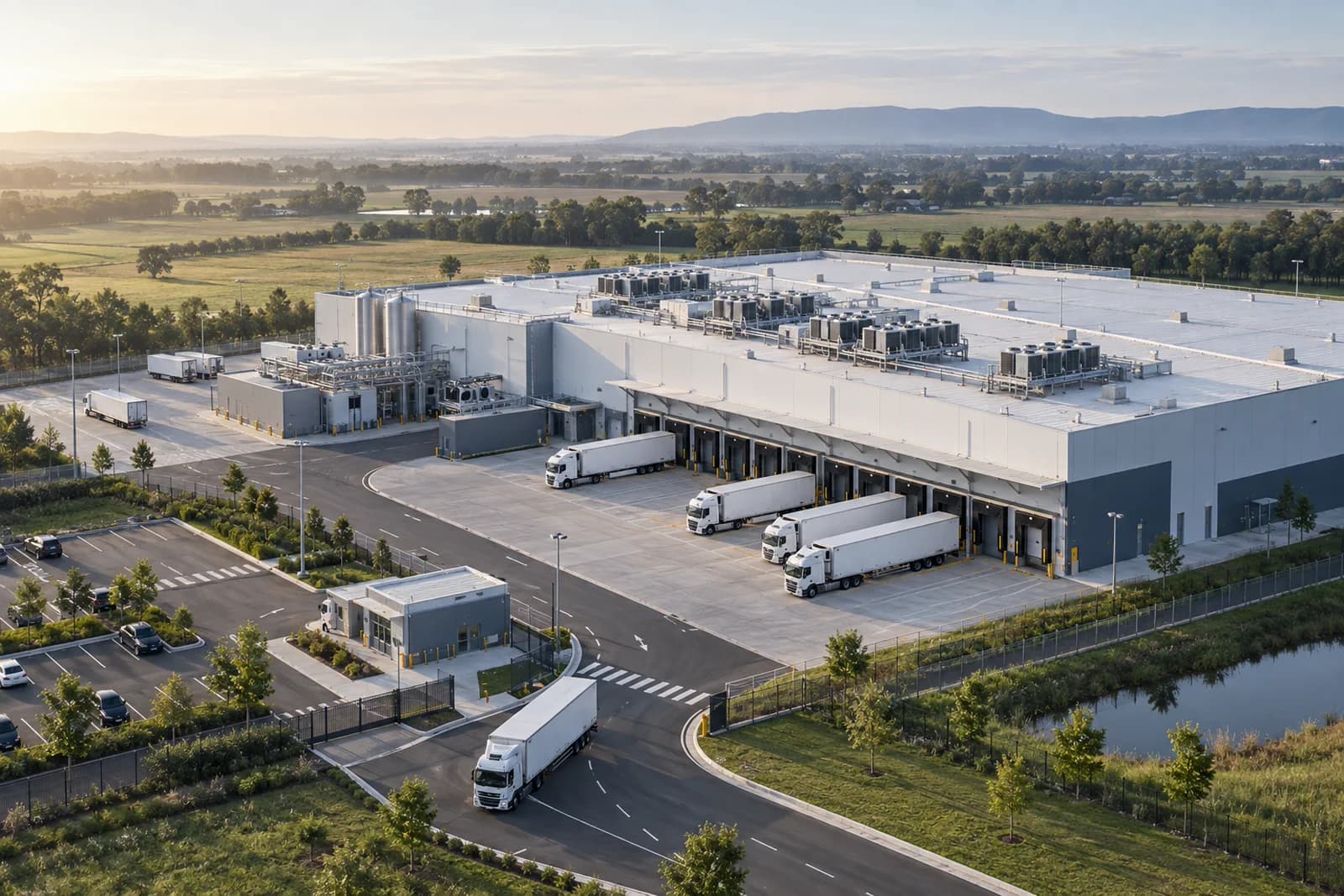
Decision path
Batches, thermal preservation, storage, transport, quality controls, and traceability.
- 01Batchidentification
- 02Siteorigin
- 03Cameracustody
- 04Routejourney
- 05Thermal eventsignal
- 06Recordtraceability
- 07Decisionnext review
04 · What you can clarify
What you can clarify
A first conversation can help locate the segment, understand what is missing, and decide what to confirm next.
A first conversation can help locate the segment, understand what is missing, and decide what to confirm next.
What you can clarify
Batch journey bounded across site, chamber, and route
Thermal or quality checkpoints made visible
Missing validation data kept explicit
Choose the angle from which you need to understand the batch journey.
Thermal continuity
Locate the batch and journey segment that need context.
Ways to locate a batch and route, compare a thermal or quality event, and prepare the next conversation.
The conversation adapts to the context you share.
- 01
Reconstruct a batch journey when records allow it
- 02
Contrast a thermal event across available checkpoints when evidence is sufficient
- 03
Prepare a human review of traceability, controls, and evidence
05 · What to have ready
What to have ready
Bring the batch, segment, event, and available records; that is enough to order the first conversation.
What to have ready
Bring the batch, segment, event, and available records; that is enough to order the first conversation.
- The batch, route, site, chamber, and event that need an initial boundary.
- Records connecting storage, transfer, transport, receipt, and the observed event.
- The control point or missing record to review before prioritization.
06 · Next decision
Next decision
Start with the segment and event that need explanation; then confirm whether the records support a bounded review, what is missing, and who validates the next step.
Start with the segment and event that need explanation; then confirm whether the records support a bounded review, what is missing, and who validates the next step.
- Route, event, records, and owner to confirm before review.
- Next checkpoint and missing information before expanding scope.
07 · How we organize it
How we organize it
We separate what is observed, the context around it, and the segment to confirm next.
How we organize it
A clear path forward
We separate what is observed, the context around it, and the segment to confirm next.
- 01What is observed in the journey.
- 02The context available to understand it.
- 03What still needs confirmation.
08 · To move forward
To move forward
To start, share what you have about the batch, journey, and event you want to understand. The completeness of the batch trail, the relevant control point, and the record needed to compare the event remain open.
To start, share what you have about the batch, journey, and event you want to understand.
- Batch, site, chamber, or route involved.
- Dates, records, and operating context available.
We relate available records and make clear which point should be confirmed with its owner.
We start with batch, segment, event, and record; then decide how to continue.
09 · Let's talk
Let's talk
Tell us where continuity becomes unclear —batch, chamber, segment, or route— and share the available records. We will identify what can be reviewed first, what is missing, and what the next step could be.